

Get quote
Get Free Consultation!
We are ready to answer right now! free consultation.
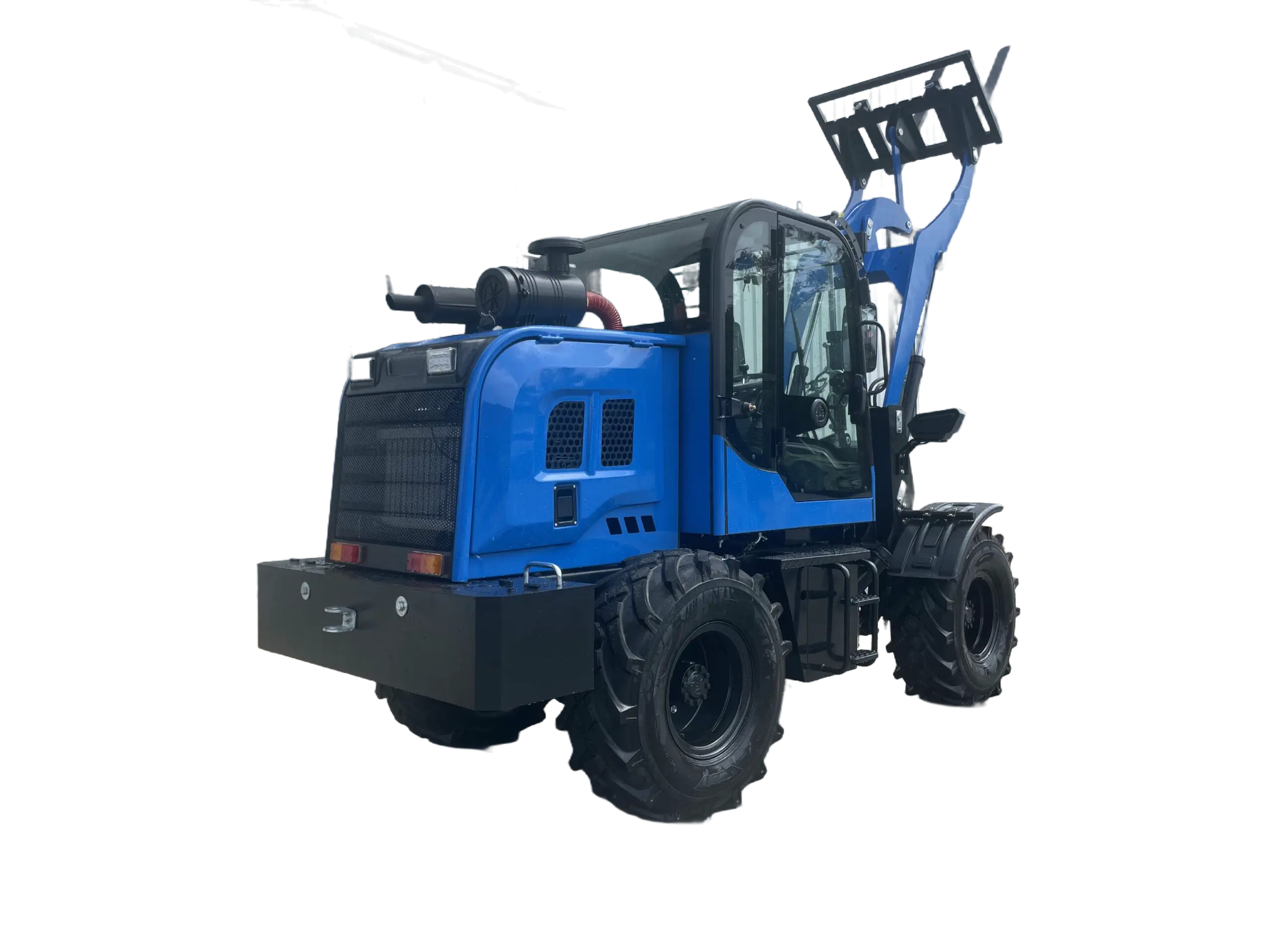
A compact wheel loader manufacturer should help buyers confirm small-loader details before the order becomes fixed. Compact machines are often chosen for tight access, farms, depots, small construction yards and flexible material handling. That makes configuration review more important, not less important. A small mismatch in width, reach, material or attachment expectation can make the machine frustrating in daily use.
MEGA’s loader range includes compact directions such as MG910, MG910H and MG910C, along with TL16 telescopic loader and larger MG936, MG940 and MG958 routes. The buyer should understand why a compact route is being chosen. Is it because of narrow access, light material, farm work, surface care, reach or budget? The answer changes which details the manufacturer should confirm.
This article treats compact loader approval as a configuration conversation. The buyer should not only ask whether the manufacturer can supply a small loader. The buyer should ask how the selected route fits the first job, how the photos and model name will be recorded, and what support notes should follow the machine after shipment.
Compact size is a reason, not a decoration. The buyer should define the reason before approving the machine. If the machine must enter a narrow storage yard, turning and width matter. If it must work on a farm, surface condition and flexible handling matter. If it must lift over a truck side or obstacle, reach matters. If it only needs lower purchase cost, the buyer should still check whether the machine can handle the actual material.
A manufacturer can support the buyer better when the compact reason is clear. The same small machine may be a good fit in one site and a poor fit in another. Compact loader selection should not be treated as simply choosing the smallest item in the loader range.
The MG910-family names on MEGA’s product page create a practical starting point for compact loader buyers. These routes should be discussed when the buyer needs small-machine movement for daily loading, cleanup or material handling. The manufacturer should ask what material is handled most often and whether the route is paved, gravel, soil or mixed.
A buyer who handles light farm material may need a different conversation from a buyer moving wet soil. The model name alone does not settle the issue. The manufacturer should help connect machine size, payload direction and material expectation before shipment.
TL16 is published as a 1 ton telescopic wheel loader. That means buyers should ask a reach question before selecting it. Does the machine need to lift into a higher truck, reach across a small obstacle, handle material near walls or work with front tools in restricted areas? If the answer is yes, TL16 may fit the conversation. If the answer is no and the work is only bucket loading, another compact loader route may be simpler.
A compact wheel loader manufacturer should make that distinction visible in the quotation. The buyer should be able to read the file and understand whether the selected machine is compact because of access, reach or both.
Small loaders can look similar in sales folders, especially when several compact routes are compared. The manufacturer should label photos by model direction and working role. A photo caption that says compact loader is not enough when the buyer is comparing MG910-family routes with TL16 or a larger MG936-type loader.
The buyer should ask for a simple file: model name, product family, expected work, main photo and any special configuration discussion. This is especially useful for distributors, because sales teams may handle several small-loader inquiries at the same time.
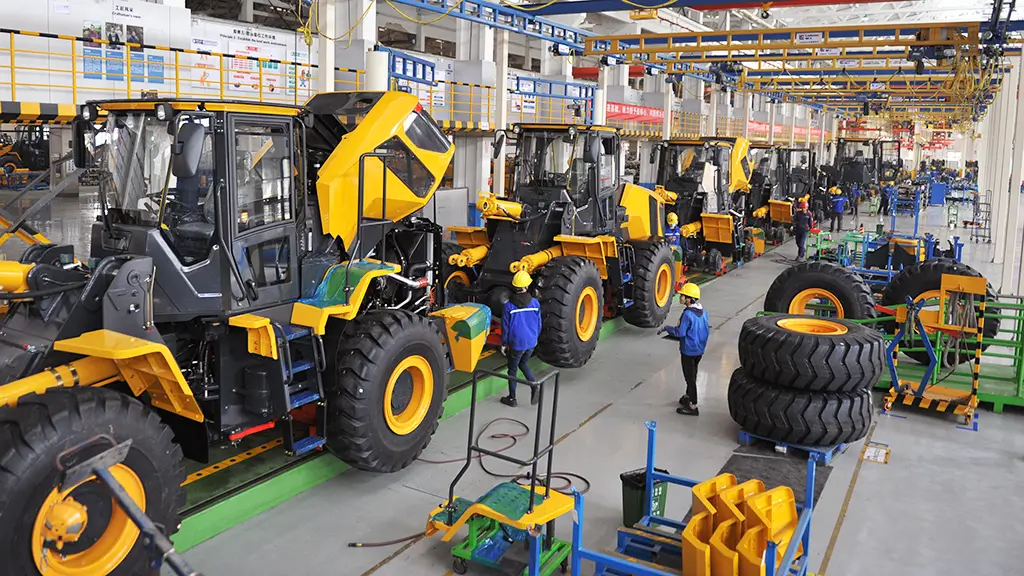
A buyer should avoid approving an order from a mixed folder of unrelated loader photos. If the order is for a compact route, the image should belong to that route. If the order is for TL16, the file should not be represented only by a standard loader image. Clear image discipline protects the buyer from internal misunderstanding and makes after-sales communication easier.
This becomes important when a distributor builds a local catalog. The same image and model label may be reused in sales sheets, website listings and spare parts discussions. If the first file is unclear, the confusion spreads.
Assembly or pre-shipment notes should not be written only for purchasing. The receiving team needs to know what machine is arriving and what work it is meant to support. A compact loader arriving for farm handling should be labeled differently from a loader arriving for yard aggregate work. The manufacturer can support this by keeping the model file practical.
A compact loader is often used by operators who switch between several tasks. The buyer should ask what daily checks, operating habits and route considerations should be discussed before delivery. If the machine works near people, vehicles, buildings or livestock, slow and predictable movement may matter as much as bucket cycle speed.
The manufacturer should also discuss what the buyer should avoid. A compact loader should not be overloaded because it is easy to maneuver. A telescopic route should not be used as if reach removes all stability concerns. Practical support language helps the buyer use the machine within its intended role.
The first month of compact loader use often reveals whether the right machine was chosen. The buyer should plan the first daily tasks: loading, cleanup, material movement, farm work, depot work or light construction. If the machine is immediately pushed into heavy cycles it was not selected for, dissatisfaction follows. The manufacturer review should make the intended first use visible.
Spare part discussion is more useful when it follows the working environment. A loader used on gravel and soil may raise different questions from one used mostly on concrete surfaces. A machine using front tools may need a different support conversation from a bucket-only machine. The buyer should describe the environment so the manufacturer can respond with relevant guidance.
Before the buyer approves shipment, the final question should be simple: is compact still the correct reason for this order? If the answer is access, turning and storage, the compact route remains logical. If the work has grown into heavy stockpile loading, the buyer should compare MG936 or higher-payload routes. If the work is mainly reach, TL16 may still be the right path.
This final check protects the buyer from confirming a small machine only because the discussion started there. It also protects the manufacturer from after-sales problems caused by a machine that was never matched to the job.
For distributor sales, compact loader language should stay distinct from larger loader language. Compact routes answer space, flexibility and manageable daily work. Larger routes answer heavier material cycles and larger work areas. Keeping those routes separate helps customers choose a machine they can actually use.
Review the MEGA loader product range, the wheel loader supplier guide, and the factory support page when preparing compact loader configuration questions.
Compact loader approval should also include a comparison point. The buyer should know why the selected route is better than moving up to MG936 or another larger loader direction. Sometimes the answer is width. Sometimes it is surface care. Sometimes it is budget and light work. Sometimes the answer is not strong enough, and the buyer should change the order before shipment.
A manufacturer can make this comparison practical by writing the rejected route into the discussion. For example, the file may state that a compact route was chosen because the yard entrance and turning area are limited, while a larger loader would restrict movement. Or it may state that TL16 was chosen because reach is needed in a compact area. That short explanation protects the buyer from forgetting why the selection was made.
For dealers, configuration confirmation should also include how the machine will be displayed to customers. If the dealer sells the compact loader as a farm machine, the sales images and application notes should match farm-style handling. If the dealer sells it for light construction yards, the file should show material handling language. The same model can serve more than one customer type, but the dealer should not blur those uses in the first sales sheet.
The manufacturer should also keep the support conversation realistic. Compact loaders may be flexible, but they are still machines with operating limits. The buyer should understand that reach, payload, surface and attachment use need responsible operation. Clear limitations make the machine easier to support than broad promises.
Before shipment, the buyer can ask the manufacturer for a short configuration table. It should show model direction, compact reason, main material, reach requirement, surface condition and any attachment discussion. This table keeps the order practical. It is not a decorative summary; it is a tool for checking whether the machine still matches the first job.
For MG910-family routes, the table may focus on compact access and daily material. For TL16, it may focus on reach and front-tool use. For a buyer considering whether to move up to MG936, the table should explain why compact size is still more important than higher payload. If that explanation is weak, the buyer should revisit the model choice.
Plain language prevents mistakes. The file should say the machine was selected because of narrow access, farm handling, compact storage, reach work or light construction movement. It should not hide the reason behind vague words such as versatile or efficient. Those words can be true, but they do not tell the receiving team why this specific loader was chosen.
If the buyer compared a compact route with MG936 or a higher-payload loader, the final file should record the reason the compact route won. That may be gate width, turning space, low daily material weight or reach needs. Recording the rejected route keeps future buyers from repeating the same debate without context.
The table should also include the operator’s first task after delivery. If the first task is moving light material in a narrow yard, the compact route remains clear. If the first task is heavy stockpile loading, the buyer should compare larger loaders before dispatch. This first-task check is simple, but it often catches mismatched expectations.
For dealer orders, the manufacturer can turn this table into a repeatable customer intake form. The dealer asks the same questions for every compact loader lead, then keeps the answers with the quotation. Future service and repeat sales become easier because the original working reason is preserved.
