

Get quote
Get Free Consultation!
We are ready to answer right now! free consultation.
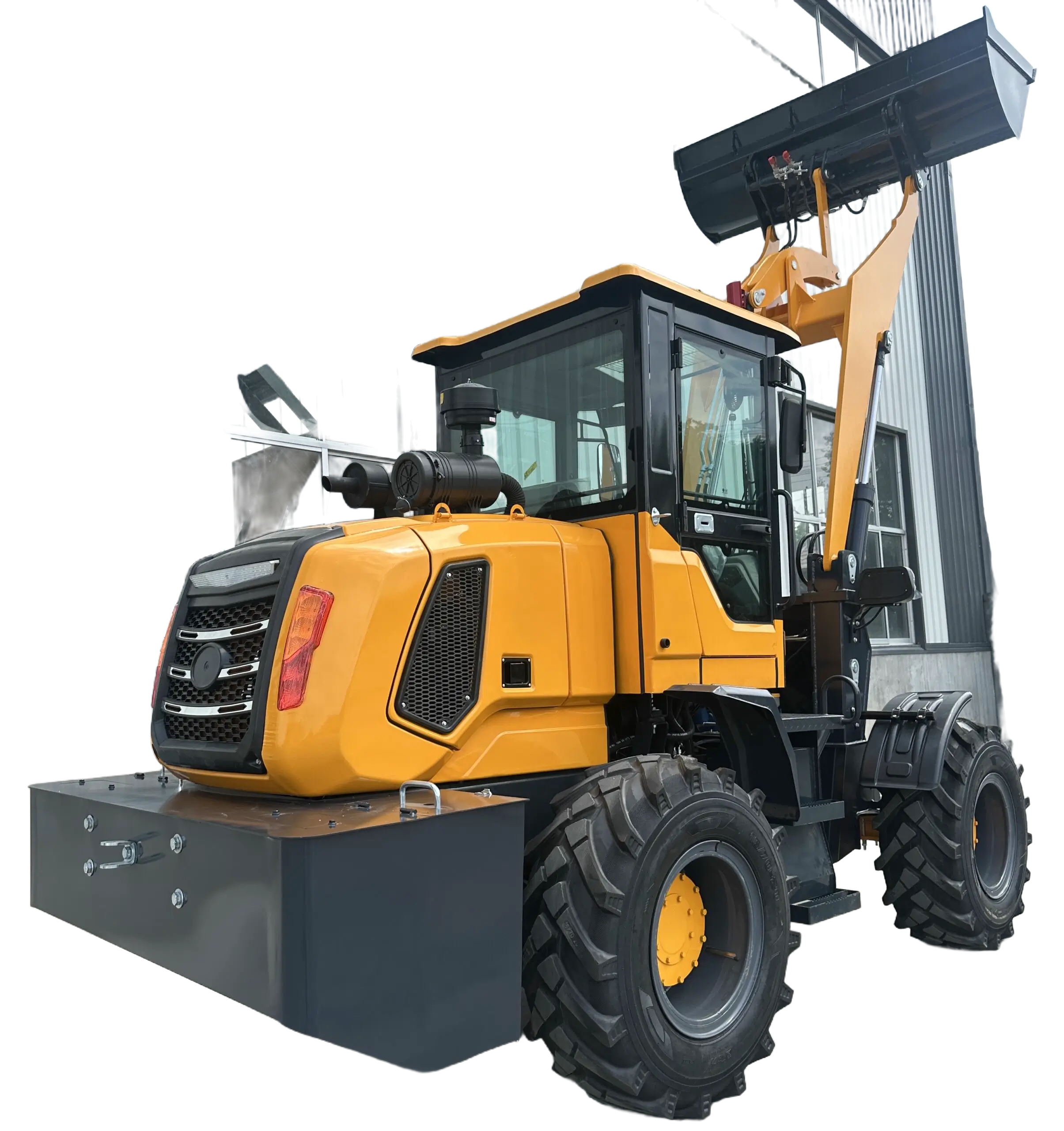
A construction equipment manufacturer is often judged only when the machine reaches the buyer’s yard. That is too late. The better review happens before shipment, when the buyer can still confirm the model name, machine role, site condition, photos and support expectations. A clear pre-shipment review protects both the buyer and the manufacturer from avoidable misunderstandings.
MEGA’s published pages give buyers a useful base for that review. The company presents a 20,000 sqm production base, 5 standardized workshops and 80+ staff across production and support. The product range includes wheel loaders, self loading concrete mixers, concrete pumps, backhoe loaders, site dumpers, all-terrain forklifts and road rollers. The model list includes MG936, MG958, TL16, MG6500C, MGP2000, HBTS30-10-48R, WZ30-25, MG60DA, MG3580 and MGY10H.
The shipment review should not be a generic approval note. It should be tied to the machine’s job. A loader file should discuss material handling. A self loading mixer file should discuss concrete workflow. A road roller file should discuss compaction work. A backhoe loader file should discuss trenching and loading. The more specific the review, the less likely the buyer is to approve the wrong configuration.
The order role is the plain-language reason the machine is being purchased. A buyer may order MG936 as a daily loading route, TL16 for compact reach work, MG6500C for higher-output mobile concrete supply, WZ30-25 for trenching and loading, or MGY10H for compact compaction work. If the role is not written down, the buyer may approve a machine that matches the model name but not the job.
This role-based review is especially important for mixed orders. A distributor may buy loaders, mixers and road equipment together. The manufacturer should help keep each machine tied to a separate work problem so that photos, specifications and support notes do not blend into a confusing package.
MEGA’s loader range is presented around 1 to 5 ton payload needs. A pre-shipment file for a loader should identify whether the buyer is choosing a compact route, a 2 ton route such as MG936, a higher-payload route such as MG958, or a telescopic route such as TL16. It should also state what material the loader will handle and what loading height or site width matters.
A loader file without this context is weak. It may show a machine, but it does not prove the buyer and manufacturer understand the same work. Payload, turning space, bucket use and attachment expectations should be discussed before shipment, not after the machine begins working.
Concrete equipment can be misunderstood if the file only says mixer or pump. MEGA lists self loading mixer routes, MGP2000 pan mixer and HBTS30-10-48R concrete pump. A self loading mixer file should discuss output range, loading route, access and discharge. A pan mixer file should discuss controlled batch preparation. A pump file should discuss placement distance and height.
This separation helps the buyer approve the right machine. If the real problem is concrete placement, a larger self loading mixer may not solve it alone. If the real problem is mobile production, a pump by itself is not the answer. A manufacturer review should keep the concrete chain visible.
Road rollers, site dumpers and all-terrain forklifts work close to the ground condition. MEGA’s range includes MGY10H double drum road roller, MG60DA site dumper and MG3580 all-terrain forklift. The buyer should describe whether the machine will work on asphalt repair, packed soil, gravel, rough outdoor material areas or uneven routes. Ground conditions affect whether the machine’s role makes sense.
Industry roadbuilding guidance commonly treats compaction as a core step for finished surface durability. That principle supports the buyer’s review: a roller should be selected because the surface needs compaction, not because it appears as a small add-on beside loaders and dumpers.
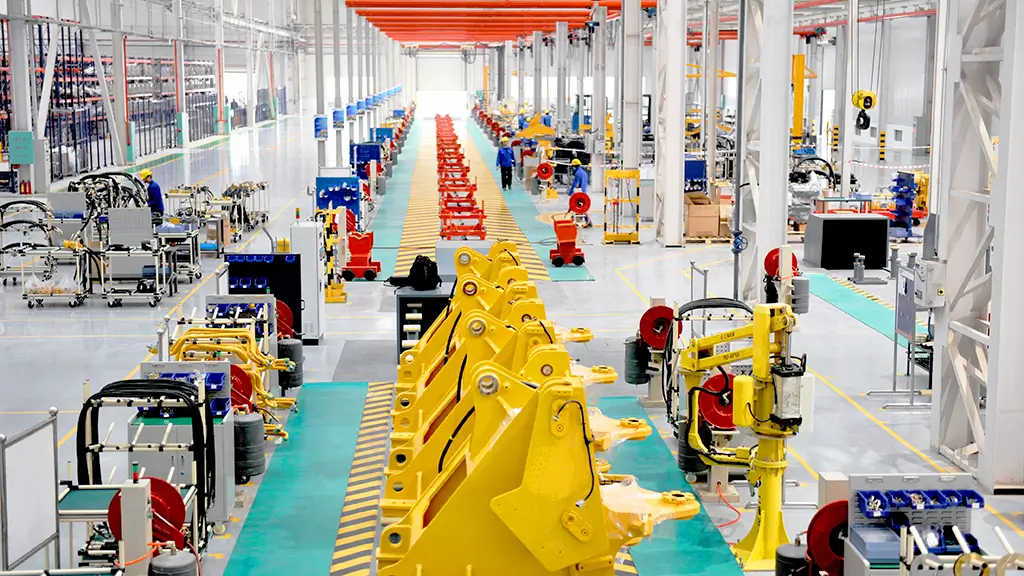
Factory imagery can build confidence, but it should answer a buyer question. A workshop exterior may support company identity. An assembly aisle may support production visibility. An inspection scene may support pre-shipment review. A welding or fabrication scene may support manufacturing context. The buyer should ask which image belongs to the machine being ordered.
MEGA’s factory and workshop visuals give buyers starting material for that review. The useful practice is to connect each image to a machine role. A loader assembly image should support loader selection. A concrete mixer discussion image should support concrete equipment selection. A road equipment image should not be replaced by unrelated factory scenery when a buyer needs product evidence.
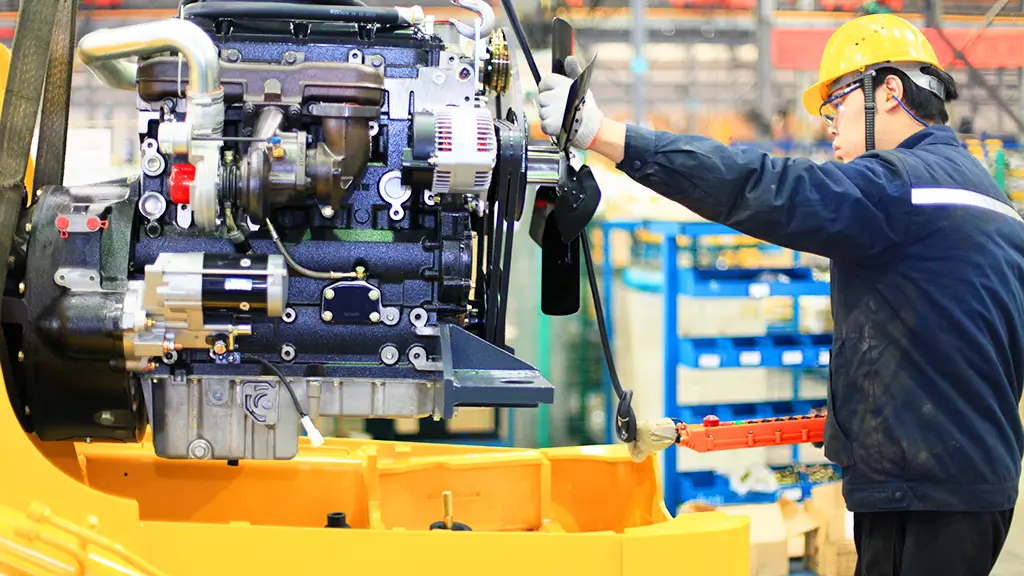
An inspection photo without a product family label can be hard to use later. The buyer should ask that photos identify whether they relate to a wheel loader, self loading mixer, backhoe loader, dumper, forklift, pump or roller. The label does not need to be complicated, but it should be clear enough for the buyer’s receiving team and service team.
This is especially important when a distributor uses the same manufacturer for several product lines. The distributor’s team may handle multiple shipments, and unclear photos can create confusion long after the sales conversation is finished.
Machine checks are more useful when the manufacturer knows the first working environment. A loader expected to work in a material yard, a mixer expected to travel on rough access roads and a forklift expected to handle outdoor pallets should not be discussed in the same language. The buyer should provide enough site information so the manufacturer can focus the pre-shipment discussion.
This does not mean the manufacturer guarantees every site condition. It means the buyer and manufacturer keep the machine’s intended work visible. That practical habit reduces surprises after arrival.
Model names carry commercial meaning. MEGA’s published product page includes many model directions, and a buyer should confirm that the quotation, invoice, photos and shipment notes all use the same model name. A mismatch between a sales sheet and a shipment note can cause delays even if the machine itself is correct.
For example, MG936, MG958 and TL16 belong to different loader conversations. MG6500C, MGP2000 and HBTS30-10-48R belong to different concrete equipment conversations. MG60DA and MG3580 belong to transport and handling rather than loading. The buyer should not approve a file where these names are mixed casually.
A distributor needs a model story that survives beyond the first sale. The sales team, spare parts team and service team should all know what the model is used for. If MG936 is sold as daily loading equipment, the service file should preserve that context. If MGY10H is sold for compact road work, the support file should not describe it as a general site machine with no surface context.
This discipline helps future repeat orders. When the customer returns, the distributor can understand the earlier machine without re-creating the entire project conversation.
A contractor should check the shipment file against the first site plan. If the site plan says narrow access and the selected loader is larger than expected, the buyer should pause. If the plan says concrete placement is far from direct discharge and no pump route was discussed, the buyer should review the concrete workflow again. Pre-shipment is the last practical time to catch these mismatches.

The best shipment approval is not a long document full of broad promises. It is a short, specific file that names the machine, explains the work, lists the reviewed photos and notes the support conversation. This approach works for loaders, mixers, pumps, dumpers, forklifts and rollers because it keeps every product tied to real work.
MEGA buyers can use the published product pages and factory support pages to build this file. The order should show why a machine was selected, what product family it belongs to and what questions were resolved before dispatch. That is more useful than a decorative approval note.
Purchasing teams approve cost, but operators live with the machine. A final approval file should therefore be understandable to the people who receive and use the equipment. It should say whether the machine is for loading, concrete work, trenching, material shuttling, outdoor pallet handling or compaction. A practical file helps the site team start with fewer wrong assumptions.
Buyers preparing shipment review can compare the MEGA construction machinery product range, the factory and team support page, and the supplier evaluation guide. For loader-specific decisions, the wheel loader supplier guide gives a narrower route.
A buyer should also check the language used inside the manufacturer’s documents. If the file says only construction equipment, it is too broad. The file should say wheel loader, self loading concrete mixer, concrete pump, backhoe loader, site dumper, all-terrain forklift or road roller. Specific language prevents a general approval from covering a machine the buyer has not actually reviewed.
The same rule applies to specifications. A self loading mixer should not be approved only by the word mixer; the buyer should know the output route and whether the machine is being considered for mobile concrete production. A wheel loader should not be approved only by bucket appearance; the buyer should know the payload direction and loading task. A road roller should be tied to a compaction job, not treated as a spare machine in the shipment.
When the order includes several machines, the buyer can ask the manufacturer to prepare a one-page dispatch table. The table can show model, product family, expected work, main photo reference and any supporting machine. This is not a legal substitute for the formal contract, but it is useful for the people who check the shipment, receive the machine and later request support.
A project buyer may also compare the manufacturer’s published factory claims with the specific order. MEGA states a production base, workshops and support team; the buyer can ask how those resources appear in the current order file. The answer should be practical: which product family is being produced, what photos are available, what checks were discussed and how the buyer will identify the machine after delivery.
The table should also include whether the machine is the main machine or a support machine. In a concrete package, the self loading mixer may be the main machine and the pump may be placement support. In a road package, the loader may be material supply while the roller finishes compaction. This simple label helps the buyer understand which machine must arrive first and which machine depends on another workflow.
That priority also helps the buyer plan unloading, storage and operator preparation before the shipment reaches the site.
It also reduces site receiving mistakes.
