

Get quote
Get Free Consultation!
We are ready to answer right now! free consultation.
A buyer comparing a wheel loader manufacturer should not stop at a payload number or a machine photo. Loader orders depend on the daily material, working width, dump height, ground condition, attachment route and the support file that follows the machine. When those details are missing, even a strong-looking loader can become difficult to place on the real jobsite.
MEGA presents wheel loaders as its main machinery focus, with a payload direction from 1 to 5 tons. The product page names MG910, MG910H, MG910C, MG936, MG939, MG940, MG958 and TL16. The published range also connects loaders with concrete equipment, backhoe loaders, site dumpers, forklifts and road rollers, which is useful because many loader buyers are actually building a wider construction machinery plan.
The buyer’s first task is to decide what kind of loader file the manufacturer should provide. A compact loader file should explain maneuverability and tight work. A 2 ton loader file should explain daily material loading. A higher-payload loader file should explain cycle productivity and site space. A telescopic loader file should explain reach and front-tool use. If every model is described in the same words, the buyer should slow down and ask for clearer model positioning.
Price becomes meaningful only after the loader route is clear. MEGA’s 1 to 5 ton loader range gives several possible directions, but a buyer should not read the range as a simple ladder. The smaller end can serve farms, depots and tight yards. A middle route such as MG936 can support daily sand, gravel and soil loading. Higher-payload directions such as MG940 and MG958 can fit larger material cycles where the site gives the machine enough room to work.
The manufacturer should ask about the work before discussing only model preference. What material is most common? How high does the loader discharge? Is the ground compact, muddy, paved or mixed? Does the operator need a bucket only, or will attachments be used? These details decide whether the buyer needs compact movement, stronger breakout force, higher payload or extended reach.
The MEGA product page identifies MG936 as a 2 ton wheel loader direction for daily loading work. That description is useful because it links the machine to a job, not only to a number. A buyer should ask where the daily loading happens: construction yard, farm, depot, aggregate pile or mixed site. The answer changes bucket expectations, tire discussion and how the machine should be photographed in the order file.
A contractor may choose an MG936-type route for sand and gravel movement where a very compact loader is too small but a larger machine is not needed. A distributor can present the same route as a practical middle loader for customers who need regular material handling without moving into larger fleet equipment.
Higher-payload loader routes are attractive when buyers want fewer cycles, but capacity only helps if the site supports it. MG940 and MG958 appear in MEGA’s loader family, and buyers should discuss these directions when stockpiles, truck loading and work area allow a larger machine to move efficiently. If the site is narrow, a larger loader may spend more time turning and waiting than loading.
Industry loader guidance often connects bucket choice with material density, operating weight and stability. The practical lesson is simple: the buyer should not request the largest bucket without explaining the material. Wet soil, gravel, sand and mixed construction material can change the loader conversation quickly.
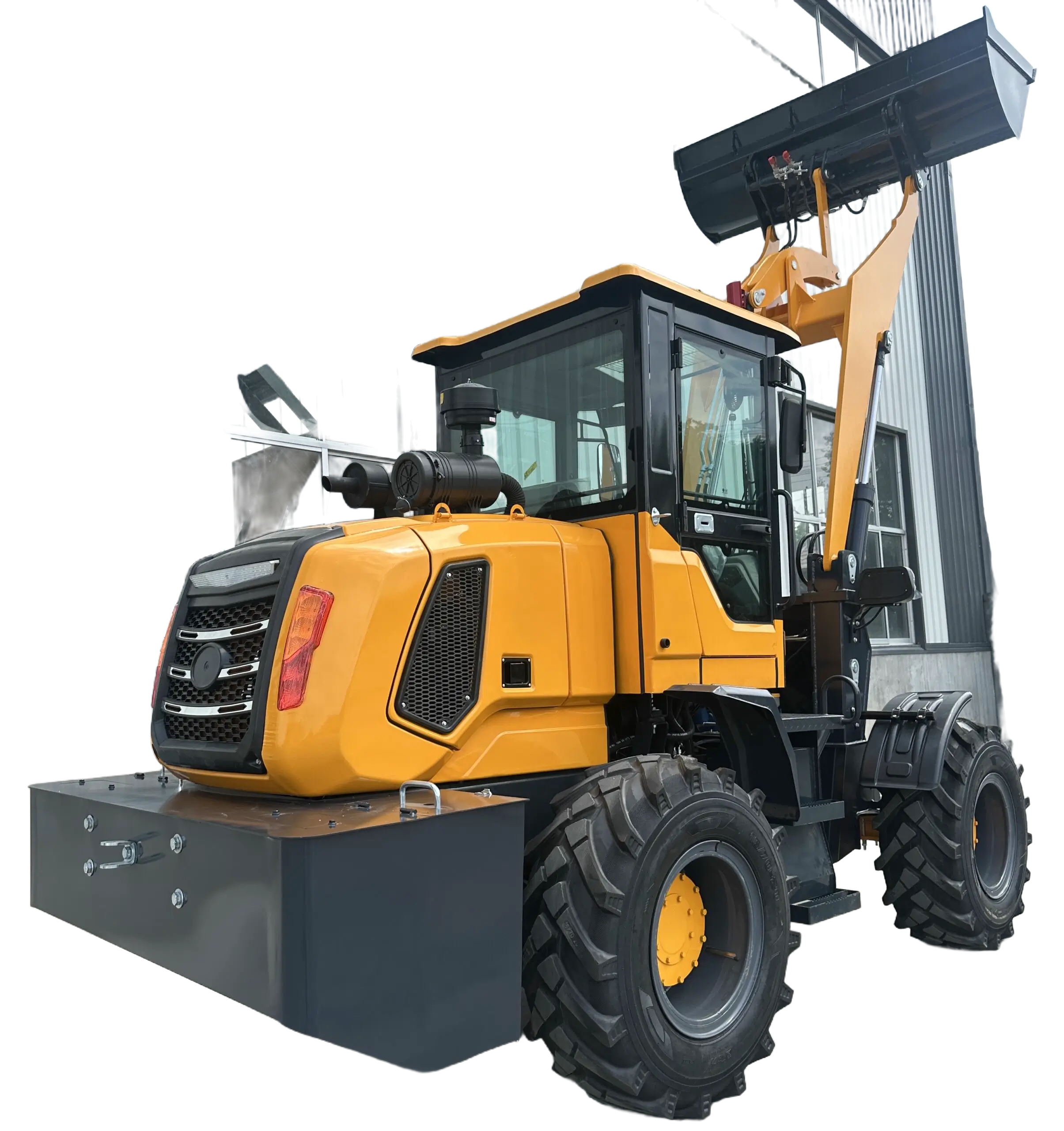
TL16 is presented as a 1 ton telescopic boom loader with extended reach and matched front tools. That makes it different from a standard compact loader discussion. Buyers should review TL16 when lift reach, obstacle clearance or multi-purpose front-tool work matters more than maximum bucket volume. A farm, small yard or light construction site may value reach and maneuverability over heavy stockpile loading.
A manufacturer review should keep this distinction clear. If TL16 is sold only as a small loader, the buyer may miss the reason it exists. If the customer mainly loads heavy aggregate all day, a telescopic route may not be the first choice. The manufacturer should explain where reach creates value and where it does not.
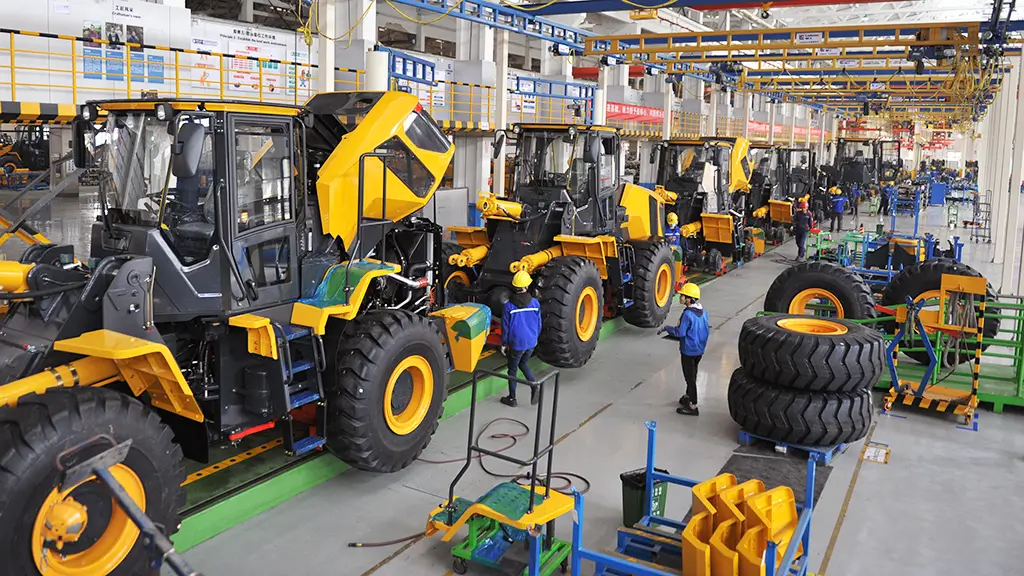
MEGA’s website shows factory, assembly and yard scenes. For loader buyers, those images are helpful when they connect to the machine family being discussed. A buyer comparing MG936 and MG958 should ask for loader images that make the difference understandable. A generic factory photo helps company identity, but a model file should still show the loader route clearly.
The manufacturer should also keep model names consistent across quotation, images and shipment notes. A distributor handling repeat loader orders can lose time if one file says MG936, another photo is labeled only wheel loader and the service note uses a different description. Clear naming supports sales, receiving and later support.
Yard images are most useful when they show a loader in a context buyers recognize. A loader parked in a line proves little by itself. A loader near material handling work helps the buyer imagine bucket cycles, working width and machine role. If the buyer will use the machine for farm work, depot loading or road material handling, the file should say so.
This is not about making the file decorative. It is about making the loader’s job visible. A clear application image can prevent the buyer from comparing the wrong machine sizes or asking a compact loader to perform heavy work.
A wheel loader manufacturer can make pre-shipment review more useful by linking assembly or inspection notes to working conditions. If the loader will work on gravel, the file should mention that environment. If it will handle pallets through a tool route, the attachment discussion should appear. If it will load trucks all day, dump height and bucket work should be reviewed.
The buyer should not expect a single inspection note to prove every detail. The goal is to make sure the manufacturer and buyer are discussing the same machine for the same work.
A distributor choosing a wheel loader manufacturer needs a product story that sales staff can explain without confusion. MEGA’s range can be grouped into compact handling, daily loading, higher-payload loading and telescopic reach. That grouping is easier for customers than a long list of model names. Model names still matter, but they should sit under clear working roles.
For example, compact loader routes can serve narrow yards, farms and smaller construction sites. MG936 can be positioned around daily material loading. MG940 and MG958 can be positioned around larger cycles. TL16 can be positioned around reach and front-tool flexibility. This lets the distributor guide customers by work pattern rather than by guessing from photos.
Small sites often benefit from maneuverability. If the buyer works near buildings, on farm paths or inside a narrow depot, a larger loader can create access problems. A distributor should ask about gates, turning radius, surface sensitivity and storage space before recommending a higher-payload machine. The right loader is the one that works daily, not the one that looks most powerful on paper.
When the customer asks for a larger loader, the distributor should confirm truck access and stockpile layout. A larger machine can be productive only if it can approach the pile, turn, fill the bucket and discharge without repeated corrections. This site description should be part of the manufacturer file before the order is approved.
Before approving a loader order, the buyer should write one working sentence: this loader will move this material, in this space, to this height, for this type of customer. That sentence guides the rest of the file. It decides which model direction makes sense, what photos are needed and what support questions should be asked.
MEGA buyers can use the product page to compare loader families, then use factory and project pages to understand the wider machinery context. If the loader is part of a road package, dumper and roller decisions may also matter. If it supports a concrete site, mixer and pump routes may enter the plan. The manufacturer review should keep the loader important without pretending it solves every job.
Compare the MEGA loader and construction machinery range, the wheel loader supplier guide, and the factory team support page. For wider site equipment planning, review the mixed construction machinery supplier guide.
The manufacturer review should also explain what happens when the loader is not the only machine in the order. A concrete contractor may buy a loader to feed material into a self loading mixer. A road maintenance buyer may need a loader beside a site dumper and a compact roller. A farm customer may later add an all-terrain forklift for pallet work. The loader file should identify whether the machine is the main production machine or support equipment in a wider site package.
This matters for timing. If the loader feeds a concrete workflow, it may need to arrive before the mixer is used at full rhythm. If the loader supports a road repair route, the dumper and roller plan should be checked at the same time. A wheel loader manufacturer that understands these relationships can help the buyer avoid receiving machines in an order that does not match the project sequence.
Buyers should also ask how after-sales questions will be organized by model. A distributor selling MG936, MG958 and TL16 should not send all future questions under the same loader label. The support file should preserve the model direction and the customer’s working condition. That keeps spare parts discussion, operator questions and repeat orders from becoming a search through old messages.
For direct contractors, the after-sales file can be simpler. It should name the model, the material, the surface and the first expected work. The operator does not need a marketing description. The operator needs to know what the machine was selected to do and what conditions were discussed before delivery.
A final manufacturer check should compare the loader with the work that happens after loading. If the loader feeds a concrete mixer, the buyer should confirm that the mixer output and loader cycle do not fight each other. If the loader supports a road project, the buyer should confirm whether a dumper will keep material moving while the roller finishes compaction. A loader that is perfect by itself can still become poorly used if the surrounding equipment plan is missing.
This is why MEGA’s wider product range matters during loader review. The buyer can keep the loader central while still asking whether self loading mixers, dumpers, forklifts or rollers should be part of the same planning file. The manufacturer does not need to push extra machines; it needs to help the buyer see where the loader stops solving the work.
