

Get quote
Get Free Consultation!
We are ready to answer right now! free consultation.
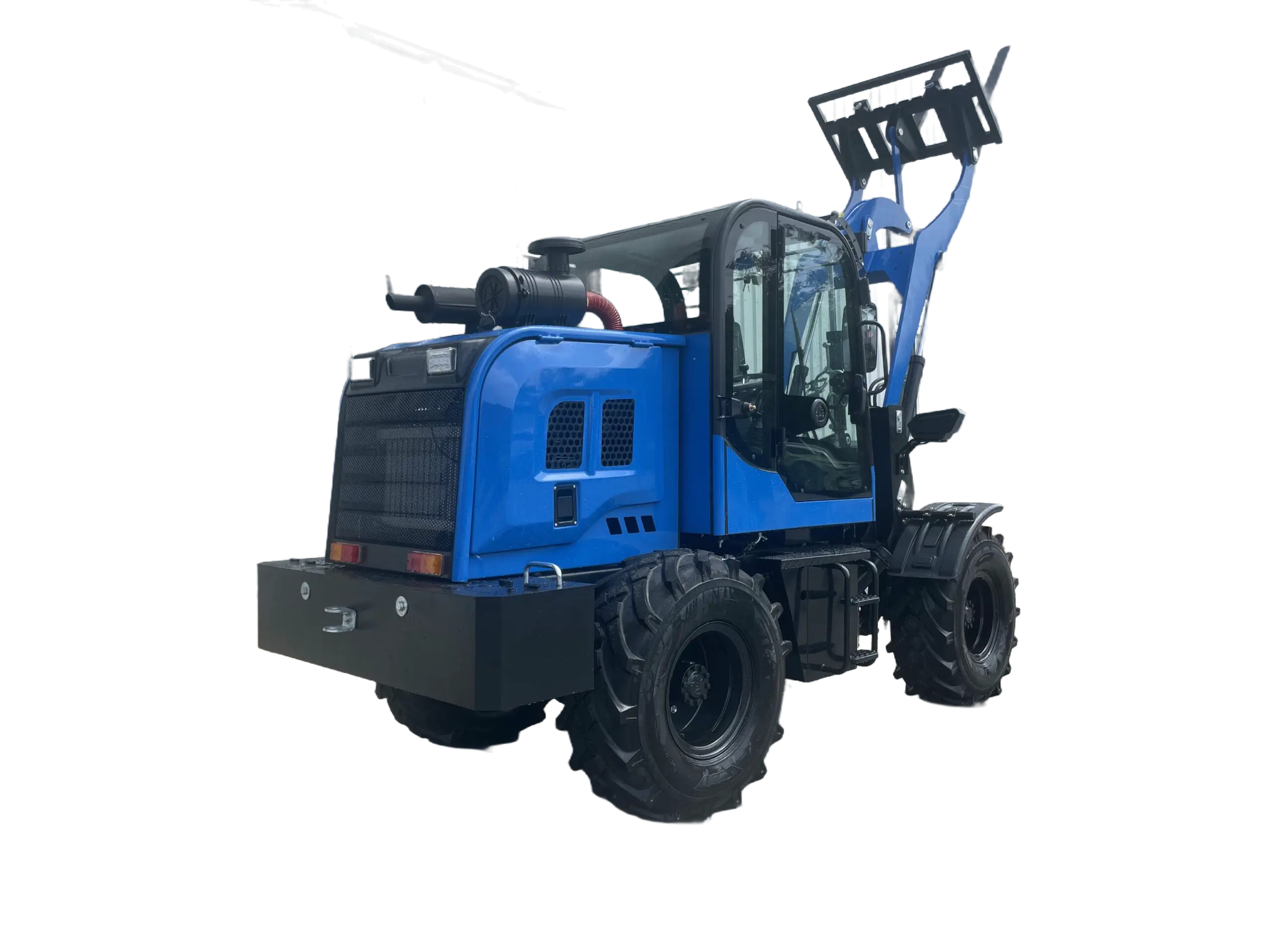
A dealer looking for a mini wheel loader supplier is usually trying to serve several small-site customers at once. One customer may run a farm, another may manage a storage yard, another may need light construction loading and another may want a compact machine for property maintenance. The dealer needs a product story that separates mini and compact loader work from heavier wheel loader work.
MEGA’s visible loader range includes compact directions such as MG910, MG910H and MG910C, a TL16 telescopic loader route, and larger loaders such as MG936, MG940 and MG958. The site also presents the wider construction machinery range, including self loading mixers, dumpers, forklifts, backhoe loaders and road rollers. For a dealer, the key is to stock or promote the smallest loader route only when customer work truly fits compact handling.
This planning guide focuses on dealer decisions. It does not treat mini loaders as universal machines. A mini or compact loader can be highly useful in narrow sites, but it should not be sold into heavy aggregate work that needs a larger machine. A supplier is valuable when it helps the dealer say yes to the right customer and no to the wrong job.
Small-site customers are not all the same. Farm users may care about flexible handling and surface conditions. Yard users may care about turning space and truck loading height. Small contractors may care about cleanup, aggregate movement and easy transport between jobs. Property maintenance users may care about simple daily operation and working near buildings.
The dealer should group customers by work pattern before choosing stock. If the work pattern is narrow access and light material, compact loader routes may fit. If the customer wants heavy repeated stockpile loading, the dealer should move the conversation toward MG936 or a larger loader direction instead of forcing a mini loader sale.
Farm buyers may ask for a mini loader because they need a machine that can move between buildings, feed areas, storage spaces and gravel lanes. The dealer should ask what the loader carries most often and whether reach is needed. If the work includes lifting into higher areas or using front tools, TL16 may deserve attention. If the work is basic bucket movement in tight spaces, MG910-family compact routes may be discussed first.
A farm customer should not be sold a larger loader only because larger machines look stronger. If access is limited, the larger machine may reduce daily usefulness. The dealer’s value is in matching the machine to the path, not the photo.
A storage yard or depot customer may use a compact loader to move sand, soil, light aggregate or general materials. The dealer should ask where trucks stop, how high the loader must dump and where the machine is stored. If the truck height or material weight exceeds the compact route, the dealer should compare a larger loader direction before promising mini-loader performance.
The customer’s route matters as much as the material. A compact loader that fits through the yard but cannot turn efficiently near the pile will not feel productive. A supplier should help the dealer ask these questions consistently.
Stocking a mini or compact loader line requires boundaries. The dealer should know which customers are ideal, which customers need a larger loader and which customers need a different machine type. Without boundaries, every request becomes a price discussion and the dealer may sell a machine into the wrong work.
MEGA’s range helps set these boundaries. Compact loader routes can be presented for restricted access and light-to-medium handling. MG936 can be presented when daily loading becomes heavier. MG940 and MG958 can be introduced when stockpiles and work area support higher payload. TL16 can be presented when reach and front-tool flexibility are the main value.
Aggregate work can look simple, but material density changes the loader decision. Dry sand, gravel, wet soil and mixed construction material are not equal. A dealer should ask what material the customer handles most often and how many cycles happen each day. If the customer expects heavy loading for long hours, a larger loader route may be more honest.
This does not weaken the mini loader sale. It makes the dealer more credible. Customers who truly need compact access will understand why the smaller route fits. Customers who need heavy work will appreciate being guided toward a stronger machine.
TL16 should not be explained only as a compact loader. It should be explained around reach. If a customer needs to lift materials into a truck, reach across a small obstacle or use front tools in a tight area, TL16 may be relevant. If the customer simply wants a low-cost loader for heavy bucket cycles, another route may be better.
The dealer can prepare two sales sheets: one for compact bucket work and one for compact reach work. This keeps customer expectations cleaner and helps the supplier provide better supporting images and notes.
A dealer needs repeatable documents. The supplier should provide consistent model names, clear images, basic product positioning and application notes. The dealer should be able to show a farm customer, yard customer and small contractor why the same compact route may or may not fit each job.
The documents should avoid overpromising. A compact loader sheet should not imply the machine replaces larger loaders, site dumpers, forklifts or backhoe loaders. It should explain the job it does well and where another MEGA product family may be more suitable.
Dealers often use images across websites, sales messages and printed sheets. If compact and larger loader images are mixed, customers may expect the wrong size or capacity. The supplier should help by labeling images clearly. The dealer should keep TL16, MG910-family routes, MG936 and MG958 images in separate folders or clearly named sections.
Some small-site customers need a different machine. Pallet-heavy work may point toward an all-terrain forklift. Repeated short material movement may point toward a site dumper. Trenching and loading may point toward WZ30-25 backhoe loader. A mini wheel loader supplier that also offers these related families helps the dealer avoid forcing every customer into a compact loader.
The first dealer offer should be focused. It can describe compact loader routes for farms, yards and light construction, then explain when TL16 is relevant for reach. It should also say when a larger MEGA wheel loader route should be compared. This gives the sales team a clear conversation instead of a long list of machines.
After the first sales cycle, the dealer can expand the product conversation. Customers who buy compact loaders may later need dumpers, forklifts, mixers or road equipment. The first mini-loader file should make expansion easier by recording the customer’s site type and daily work.
A customer should be able to explain why the selected compact loader fits the site: narrow access, flexible material handling, reach need or manageable daily work. If the customer cannot explain that reason, the dealer should revisit the selection. A clear reason reduces after-sales disappointment and makes future orders easier.
Dealers can begin with the MEGA construction machinery product range, compare loader decisions in the wheel loader supplier guide, and use the mixed machinery supplier guide when compact loaders are part of a wider site equipment package.
Dealer planning should also consider how customers describe machines. Some buyers say mini wheel loader when they mean any small articulated loader. Others use compact wheel loader when they want a machine below the size of a standard yard loader. The dealer should translate the customer’s words into site needs before sending a model suggestion. The supplier can support this by giving practical application language rather than only model codes.
A dealer may also need demonstration priorities. For farm customers, show turning, loading light material and working near buildings. For yard customers, show bucket cycles and truck loading height. For light contractors, show cleanup, material movement and how the loader fits around stored equipment. The right demonstration makes the machine’s compact value visible.
The stocking plan should avoid too many nearly identical small machines at the start. A dealer may begin with one compact bucket-focused route and one reach-focused route such as TL16, then expand only after customer feedback. This keeps capital tied to real demand instead of filling the yard with machines that customers cannot distinguish.
The dealer should also prepare a simple question sheet for incoming leads. It can ask about material, site width, surface, lifting height, daily hours and whether pallets or trenching are part of the work. If pallets dominate, forklift routes should be discussed. If trenching appears, a backhoe loader route may be better. This protects the mini loader offer from being stretched too far.
A dealer may be tempted to stock several mini loader directions at once, but the better starting point is customer questions. How often do customers ask for narrow access? How often do they need reach? How often do they move heavy aggregate? How often do they actually need a forklift or dumper instead of a loader? These answers should shape the first stocking plan.
A focused dealer can begin with one compact loader route for bucket work and one reach-focused route if local customers need it. The dealer can then use customer conversations to decide whether to add larger wheel loaders, site dumpers, all-terrain forklifts or backhoe loaders. This lowers the risk of holding machines that overlap too much.
The lead screen should be short but strict. Ask for material, site width, loading height, surface, daily hours and whether the buyer moves pallets or digs trenches. If the answer points away from a mini loader, the dealer should move the customer to another MEGA product family. That creates trust and protects the dealer from avoidable after-sales problems.
A useful catalog does not only sell the small machine. It also explains when a larger loader, forklift, dumper or backhoe loader should be compared. Customers appreciate a supplier that helps them avoid underbuying. This is especially important when the buyer uses the phrase mini loader but the job includes heavy material cycles.
The dealer should also keep price conversations tied to use. A smaller loader may cost less than a larger machine, but the buyer loses value if the machine is undersized. A good supplier helps the dealer defend the correct route with site facts rather than with price alone.
