

Get quote
Get Free Consultation!
We are ready to answer right now! free consultation.
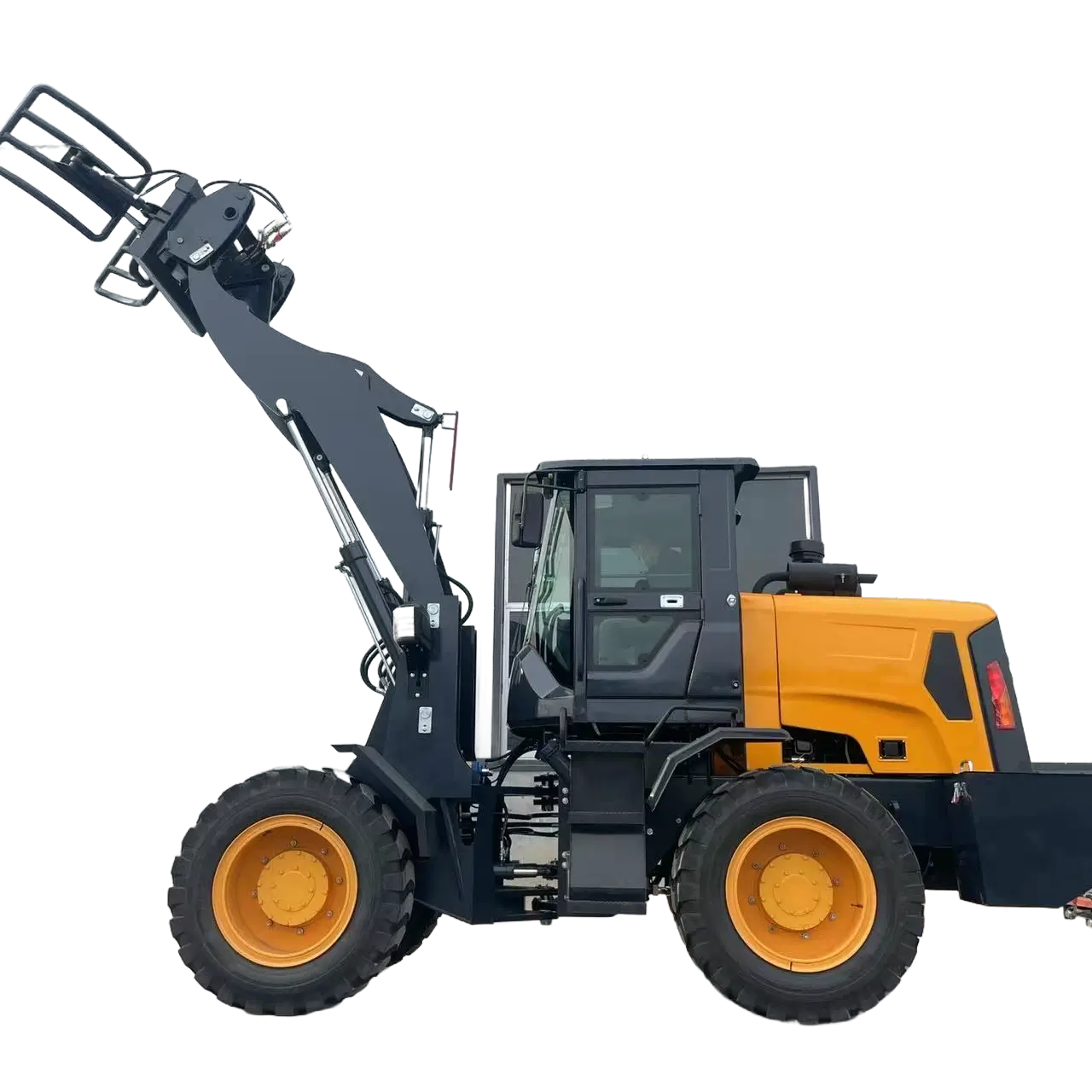
A buyer searching for a 5 ton wheel loader supplier usually has a practical site problem before a product preference. The work may involve open yards, truck loading areas and construction material sites, and the wrong equipment route can slow the project even when the machine looks strong in a catalog. The first step is to connect the keyword to a real job: what must move, where it must work, how often it repeats and which machine controls the workflow.
MEGA’s current product range gives buyers several real product directions to compare. For this topic, the most relevant products are higher-payload wheel loaders, with visible model examples such as MG958 and other upper-range MEGA loader directions. The site also presents a 20,000 sqm production base, 5 standardized workshops and 80+ production and support staff, which gives buyers a starting point for factory and support review.
This article focuses on buyers moving larger stockpiles, aggregate and heavier site material. It is written around procurement decisions, not broad machinery definitions. The buyer should decide when this equipment route fits, when it does not fit, what evidence should be requested from the supplier and how the order file should be prepared before shipment.
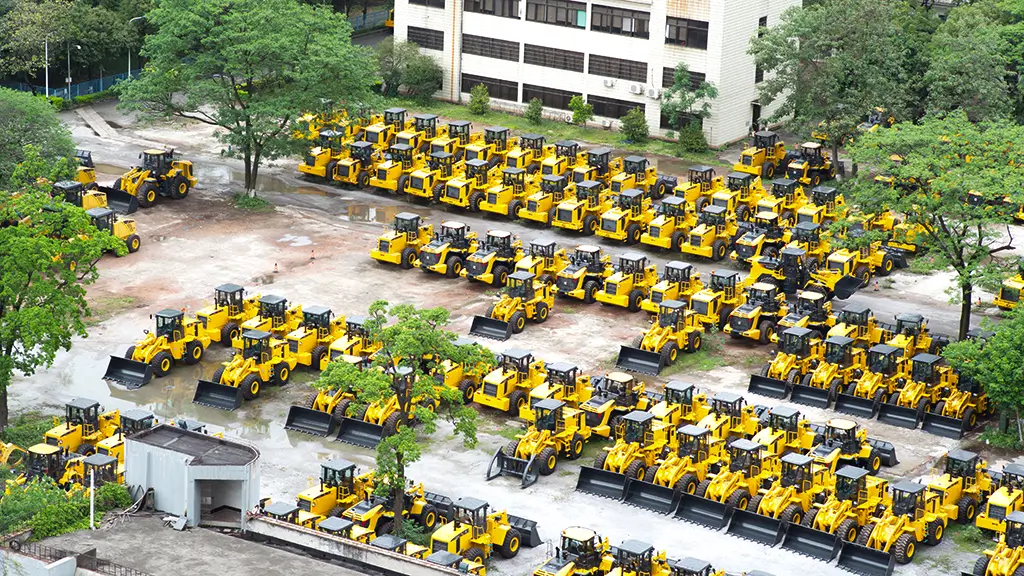
The workflow matters because higher-payload wheel loaders can only create value when it removes a real bottleneck. For open yards, truck loading areas and construction material sites, the buyer should describe the daily work sequence in plain language. If the machine is expected to load material, the route, material density and loading height matter. If the machine supports concrete or compaction, the distance, placement point or surface condition becomes more important.
MEGA buyers should avoid starting with the largest-looking machine or the lowest price. A better first conversation is whether the work fits repeated bucket cycles with room for larger loader movement. If that statement is true, the buyer can move toward model selection. If narrow lanes, light work or sites where compact access is more important than payload, the buyer should compare a different MEGA product family before approving a quotation.
The first job should be written as a simple work note: the machine will handle a specific material, in a specific space, for a specific daily cycle. That note helps the supplier match MEGA model directions such as MG958 and other upper-range MEGA loader directions with the customer’s conditions. It also prevents the order from becoming a generic machinery purchase that operators cannot explain later.
A contractor may focus on one project, while a dealer may need a machine that several customer groups can understand. Both buyers benefit from the same discipline: state the job first, choose the model second, and ask for evidence that connects the model to the job.
A common procurement mistake is stretching one machine across too many roles. A loader is not a concrete pump, a dumper is not a loader, a forklift is not an aggregate bucket machine and a roller does not replace material placement. MEGA’s wider range lets buyers separate these roles instead of forcing higher-payload wheel loaders into work it was not selected to do.
If the project includes several machine roles, the buyer should build a package. The file may include loaders, concrete mixers, pumps, dumpers, forklifts, backhoe loaders or road rollers, but each machine should have its own work reason. This is more useful than a long quotation where every item is described with the same words.
A quotation should show more than a model name. It should explain why MG958 and other upper-range MEGA loader directions belongs in the buyer’s work. The buyer should ask for product photos, model labels, basic configuration notes and the working condition that led to the recommendation. If those elements are missing, the quotation may be hard to verify after payment.
The most important signals are workload, space, support machine and first use. Workload tells whether the selected route is too small or too large. Space tells whether the machine can move without blocking the site. Support machine tells whether another MEGA product should share the work. First use tells the receiving team what the machine should do immediately after arrival.
Model codes are useful only when they are paired with roles. For example, a loader model should be linked to payload direction and material handling. A concrete mixer should be linked to output, travel and discharge. A pump should be linked to placement distance and height. A dumper should be linked to route repetition. A roller should be linked to the surface needing compaction.
This role language helps the buyer’s purchasing, receiving and operation teams understand the same machine. It also makes future repeat orders easier because the original working reason is preserved.
Some equipment cannot be judged alone. A concrete pump depends on a mixer or concrete source. A road roller depends on material placement before compaction. A site dumper depends on a loading source. A forklift may depend on pallet flow and outdoor ground. If the support machine is missing from the file, the buyer should review the workflow again.
| Buyer check | Why it matters | What to confirm |
| Main work role | Prevents broad machinery language | Loading, digging, mixing, pumping, hauling, lifting or compaction |
| Site condition | Shows whether the model can work daily | Ground, width, access, distance, surface or height |
| MEGA model route | Connects product name to real work | MG958 and other upper-range MEGA loader directions |
| Support equipment | Prevents one machine from doing the wrong work | Loader, mixer, pump, dumper, forklift, backhoe loader or roller |
The same machine route can make sense in one site and fail in another. A distributor serving several customer types should prepare scenario notes before promoting the equipment. A contractor should do the same before approving a project order. The scenario should mention material, access, operator use and whether the work repeats daily.
For open yards, truck loading areas and construction material sites, the buyer should ask whether the machine is working in an open yard, along a narrow route, near a building, on rough ground, beside a trench or around concrete placement. These conditions change how MEGA products should be compared. They also change which photos and support notes should be requested before shipment.
A contractor may be tempted to buy for every possible future task. That can lead to oversizing or choosing a machine that is too broad for the immediate job. The first project should decide the first order. Future expansion can be planned, but it should not make the current machine harder to use.
If the first job is narrow and frequent, compact access may matter. If the first job is heavy and open, capacity may matter. If the first job is concrete placement, distance and discharge matter. If the first job is compaction, surface and working width matter. The buyer should keep this hierarchy visible.
A dealer can use a short screening sheet for 5 ton wheel loader supplier leads. It should ask what material is handled, what ground the machine uses, how far it travels, how high it works, how many hours it runs and whether another machine already supports the job. These questions make the dealer more useful than a seller who only sends model photos.
The screening sheet also protects the dealer from wrong-fit sales. If a customer’s answers point toward a loader, pump, dumper, forklift, backhoe loader or roller instead of higher-payload wheel loaders, the dealer can redirect the buyer early and preserve trust.
Before shipment, the buyer should request an order file that a receiving team can actually use. It should include product family, model route, working role, image reference, main site condition and any support machine. This file is separate from marketing text. It is the practical bridge between the quotation and the machine arriving on site.
MEGA’s factory and team pages give buyers a support context through workshop images, production coordination and after-sales communication. The buyer should still ask for machine-specific evidence for the selected route. A factory overview is useful, but the shipment file must identify the exact product being approved.
The people receiving the machine should not have to guess why it was purchased. They should know whether it was selected for repeated bucket cycles with room for larger loader movement. They should know what work should not be pushed onto it, especially when narrow lanes, light work or sites where compact access is more important than payload. This helps operators start with the correct expectations.
A clear receiving note also helps future service conversations. When a support question appears, the buyer can refer back to the original work role and site condition instead of reconstructing the decision from memory.
Underbuying happens when the selected machine is too small for daily work. Overbuying happens when the selected machine has capacity the site cannot use. Both mistakes are expensive. The final approval should compare the selected MEGA route with the actual job one more time before dispatch.
If the fit is still clear, the buyer can approve the order with more confidence. If the fit is no longer clear, the buyer should adjust the equipment route before shipment rather than accept a machine that will be difficult to use.
A practical buyer should also write a short comparison against the nearest alternative. For this topic, the alternative may be a wheel loader, backhoe loader, concrete mixer, pump, dumper, forklift or road roller from the MEGA range. The comparison should say why higher-payload wheel loaders is the better first route for open yards, truck loading areas and construction material sites. If the alternative looks stronger after that comparison, the buyer should change direction before the order is approved.
The same comparison helps dealers and distributors. Sales staff can explain that MG958 and other upper-range MEGA loader directions is not being offered as a generic machine; it is being offered because the customer described repeated bucket cycles with room for larger loader movement. This turns the sales conversation from a price-only discussion into a site-fit discussion, which is more useful for serious procurement buyers.
The buyer should keep this note with the quotation, image references and shipment file. When the machine arrives, the receiving team can see why it was selected, what work it should begin with, and which jobs should be handled by another machine if the site expands later.
For more context, review the MEGA construction machinery product range, the project scenes page, and the factory team support page. Related buying context is also available in the mixed machinery supplier guide, the wheel loader supplier guide, and the self loading mixer manufacturer guide.
