

Get quote
Get Free Consultation!
We are ready to answer right now! free consultation.
A buyer looking for a wheel loader supplier usually has a practical problem before a product preference. The job may be moving wet sand from a roadside stockpile, loading aggregate at a small concrete yard, clearing farm material, or feeding trucks in a tight depot. The loader that looks impressive in a photo can become frustrating if it is too large for the turning space or too light for the material being handled.
MEGA presents wheel loaders as its main focus, with a visible payload range from 1 to 5 tons. The product page names compact and higher-payload routes such as MG910, MG910H, MG910C, MG936, MG939, MG940, MG958 and TL16. For buyers, the useful starting point is not one model name. It is the match between payload, bucket work, lift height, ground condition and the support file that comes with the machine.
A distributor also has a different concern from an end user. The distributor must stock or promote machines that several customer types can understand quickly. A farm customer may ask for a compact loader with flexible handling. A contractor may need a stronger machine for repeated aggregate cycles. A municipal road buyer may care about loader support for road maintenance, dumpers and rollers. A good supplier helps keep those routes separate.
Payload is the most visible number in a loader discussion, but it is not the only number that matters. The buyer should describe the daily material, the travel distance, the surface condition, the expected loading height and the width of the working area. This information helps separate a compact loader from a higher-payload machine before the quotation becomes locked around the wrong size.
MEGA’s 1 to 5 ton loader direction allows the buyer to discuss several site levels. A small loader may support farming, yard cleanup and light construction movement. A 2 ton direction such as MG936 can fit daily loading where the buyer needs stronger bucket work without moving into a large machine. Higher-payload routes such as MG940 and MG958 should be considered when the work is repetitive, the stockpile is large and the site gives the machine room to cycle efficiently.
A compact loader is often chosen because it can enter places that a larger machine makes difficult. Farm lanes, small depots, inner yards and narrow construction access points need a loader that can turn without disturbing the entire site. The buyer should not judge compact loaders only by lower payload. Their value is often maneuverability, simpler daily movement and the ability to work near buildings, storage areas or smaller trucks.
When asking MEGA about compact directions, the buyer should describe the ground first. Mud, gravel, concrete floor and packed soil change tire and traction expectations. If the machine will also carry attachments, that should be raised early. Compact buyers often regret skipping this discussion because the loader later faces jobs that were not part of the first quotation.
The products page identifies MG936 as a 2 ton wheel loader with articulated steering and strong breakout force for daily loading work. This type of machine is a practical middle route for buyers who need more capability than a very compact loader but still want manageable dimensions for common construction yards. Sand, gravel, soil and general material loading are the typical questions to discuss before this route is approved.
A contractor buying for a building site should explain whether the loader feeds a mixer, loads trucks, cleans material piles or moves between several work zones. A distributor stocking MG936-type loaders can prepare sales notes around daily loading rather than presenting the machine only by payload. That makes the product easier for real customers to place into their own work.
Higher-payload loaders can improve productivity when the site lets them work at a steady rhythm. MEGA names MG940 and MG958 in the loader family, and the homepage presents loaders for construction, farms, yards and material handling. These larger directions should be reviewed when the customer moves heavier material or wants fewer cycles per truck, but the buyer must confirm road width, stockpile access and dump height first.
Industry buying guidance commonly links bucket choice with material density and machine stability. A larger bucket is not automatically better if the material is heavy or if the site has uneven ground. The safer commercial question is whether the loader, bucket and work cycle make sense together. A supplier should help the buyer avoid increasing bucket size beyond the machine and site combination.
Many buyers begin with bucket work, then later ask the loader to handle more jobs. Pallet movement, light grading, snow removal, high loading and farm work may require attachments or a different boom route. This is why the supplier conversation should include not only model price but also the machine’s expected second and third tasks. The right accessory plan can make a loader more useful; the wrong plan can make it unstable or awkward.
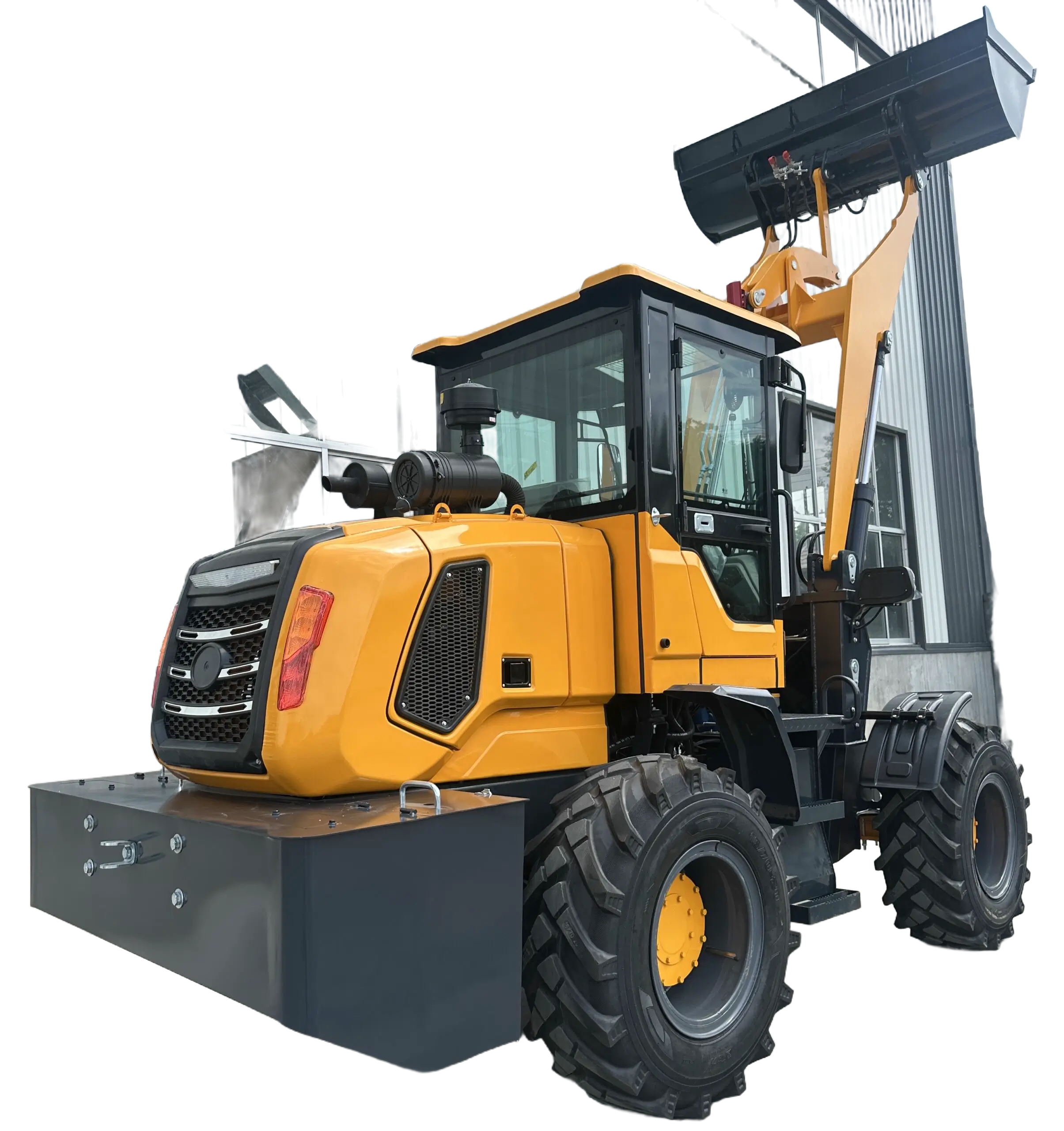
The MEGA product page identifies TL16 as a 1 ton telescopic boom loader with extended reach, stable lifting and matched front tools for multi-purpose handling. That tells buyers an important lesson: lift reach and bucket volume are different questions. If the work includes loading into higher containers, handling materials over obstacles or reaching across a limited area, a telescopic route may deserve attention even when the payload is not the largest in the range.
A small contractor may assume a larger loader is the answer to every reach problem. That can be expensive and unnecessary. A telescopic wheel loader route such as TL16 can be discussed when the buyer needs reach, front-tool flexibility and compact handling. The buyer should describe the maximum lift point, the object being moved and whether the machine works near walls, trucks, pallets or farm structures.
For distributor sales, TL16 should not be explained as just another compact loader. It belongs in conversations where reach matters. A customer who loads loose aggregate all day may be better served by a standard bucket-focused loader. A customer who handles varied farm or construction materials may see more value in a telescopic route if the working area and lift task fit the machine.
Bucket size becomes a commercial trap when the buyer only asks for the biggest option. Light material, sand, wet soil, stone and mixed construction waste do not behave the same way. A wheel loader supplier should ask what the bucket will carry most often and how high it must dump. If the customer changes material frequently, the attachment discussion should be more careful because a single bucket may not be ideal for every load.
MEGA’s loader range can be introduced by payload, but the quotation should still connect payload with material. A 2 ton loader direction can make sense in one yard and feel undersized in another. A higher-payload loader can be productive in a large aggregate yard and inefficient in a narrow farm lane. The supplier’s role is to pull these details into the model conversation early.
A distributor stocking wheel loaders needs more than a model list. The distributor needs photos, model names, product positioning, basic configuration notes and a clear story for each customer type. MEGA provides a visible product range and factory imagery; the distributor should build a sales file that connects each loader direction with a practical job rather than with a generic machine label.
The strongest stocking plan separates compact, middle and higher-payload routes. Compact directions can serve farms, small yards and flexible handling work. MG936-type routes can serve daily construction loading. MG940 and MG958 directions can serve heavier material movement where site space supports larger cycles. TL16 should stay linked to reach and multi-purpose front-tool work. That separation helps sales staff avoid promising one loader for all buyer problems.
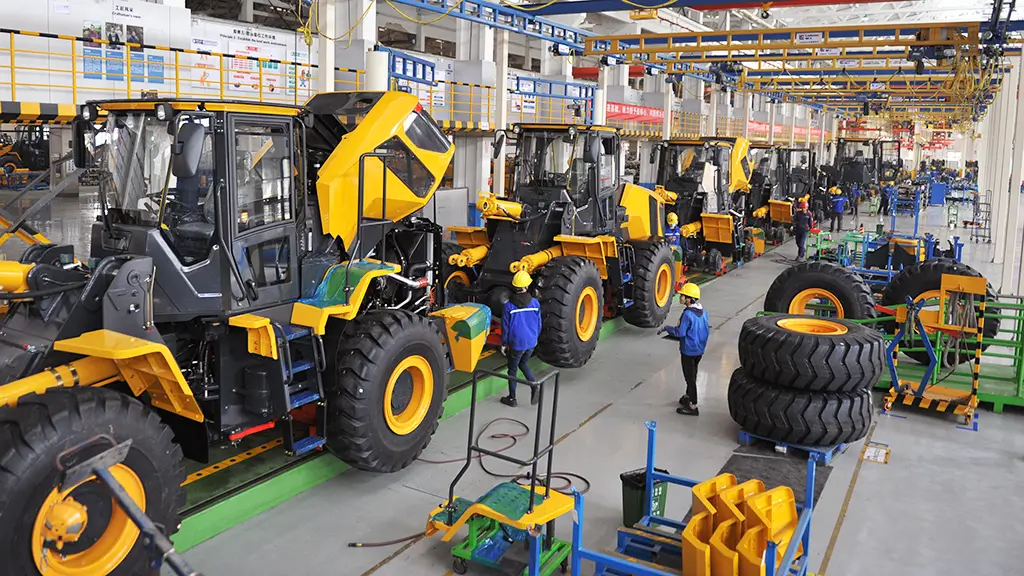
Before a distributor promotes machines, the product images and model labels should be consistent. A buyer who receives a folder with mixed loader photos may not know which machine is being quoted. MEGA’s media and pages show assembly, yard and application scenes, and these should be organized by model family inside the distributor’s own files. The same model name should appear in the quotation, image caption, loading note and after-sales file.
This detail sounds small, but it prevents confusion when several loaders are discussed at the same time. If a customer compares MG936 and MG958, the distributor should be able to show why the machines belong in different daily work patterns. If TL16 is included, the file should explain reach rather than treating it as only a compact loader alternative.
A wheel loader supplier is judged after the machine begins working. The buyer should ask how operation guidance, common spare parts discussion and after-sales technical communication are handled. MEGA’s team page describes production, quality control, sales support and after-sales service, which gives buyers a practical starting point for the support conversation. The question is not only whether parts exist; it is whether the buyer and supplier have identified the machine’s working condition clearly enough to discuss them.
For a contractor, operator guidance may focus on daily checks, safe loading habits and careful matching between bucket work and surface condition. For a distributor, the guidance file should be easier to share with multiple customers. The more clearly the loader’s daily job is described before purchase, the easier it is to support the machine after delivery.
A loader often starts the conversation, but it should not always end it. A site that needs concrete production may require a self loading mixer or pan mixer beside the loader. A site that moves pallets outdoors may need an all-terrain forklift. A road repair team may need a compact roller after the loader spreads material. MEGA’s wider product range lets a buyer build a more complete equipment plan without pretending the wheel loader handles every job.
A municipal road crew, for example, may use a loader for aggregate and a road roller for compaction. A small concrete contractor may use a loader for material feed and a self loading mixer for mobile batching. A distributor can use these scenarios to cross-check the buyer’s real need before quoting only the loader. The result is a cleaner order and fewer mismatched expectations.
Buyers can compare loader families inside the MEGA construction machinery product range, review wider jobsite context on the overseas project scenes page, and use the team support page to understand factory and service coordination.
Before approving the loader direction, the buyer should write one plain working sentence: what material the machine moves, where it turns, how high it loads and who will maintain it after delivery. That sentence keeps the supplier conversation grounded in the real job.
For mixed-machine purchasing, compare this with Choosing a Construction Machinery Supplier for Mixed Road, Concrete and Yard Work. If the customer also needs mobile concrete production, review the self loading mixer manufacturer guide.
