

Get quote
Get Free Consultation!
We are ready to answer right now! free consultation.
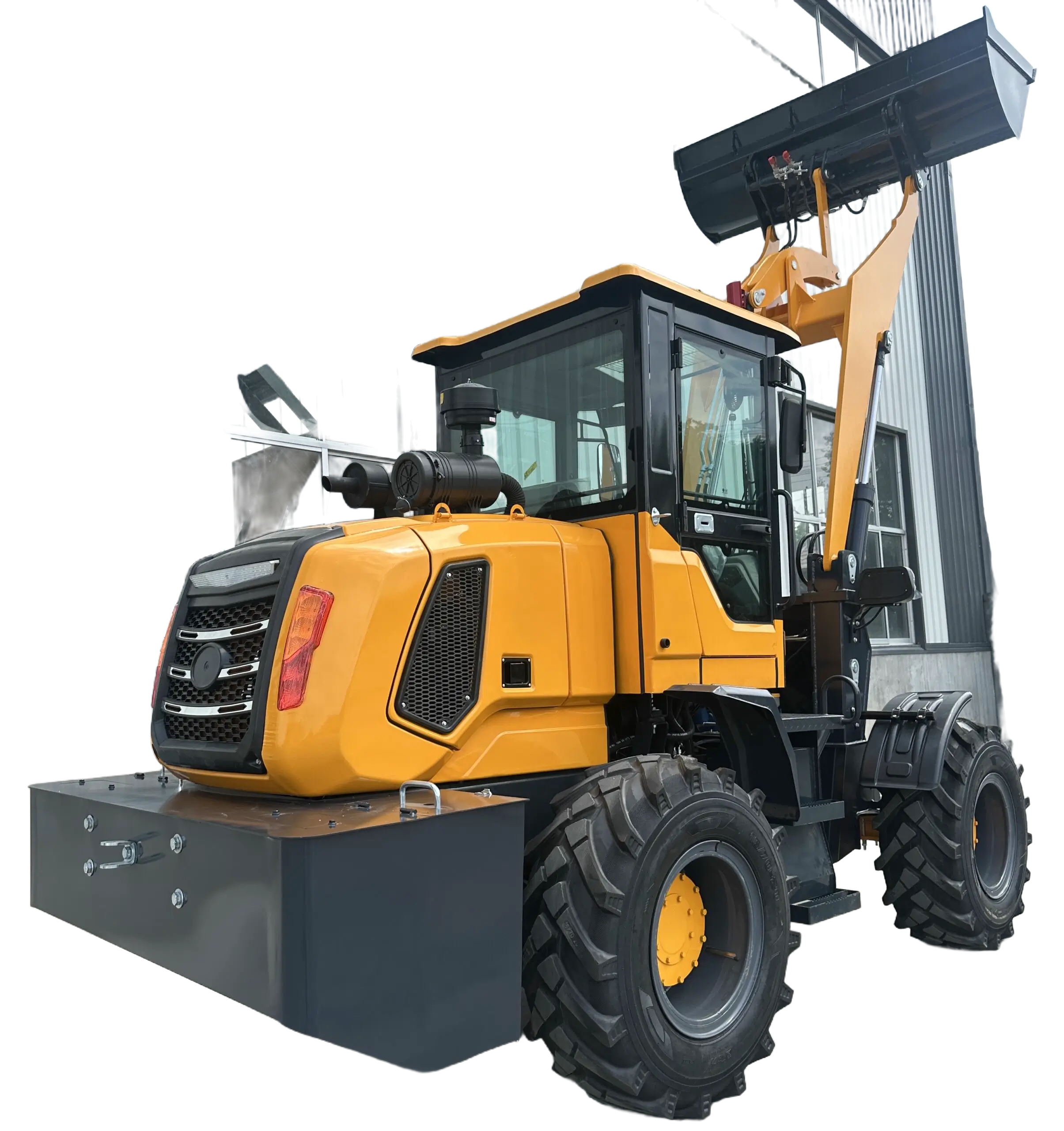
A construction equipment supplier order often starts too late in the project. The buyer already knows the site is slow, but the team has not separated whether the delay comes from loading, concrete production, material transport, pallet handling, trenching or compaction. When every problem is pushed into one equipment request, the quotation becomes noisy and the wrong machine can look attractive.
MEGA’s product range gives buyers a way to separate the order before model selection. The site presents wheel loaders, self loading concrete mixers, concrete pumps, backhoe loaders, site dumpers, all-terrain forklifts and road rollers. Confirmed model examples include MG936 and MG958 wheel loaders, MG6500C self loading mixer, HBTS30-10-48R concrete pump, WZ30-25 backhoe loader, MG60DA site dumper and MGY10H double drum road roller.
The practical starting point is a site package map. Instead of asking for several machines by name, the buyer writes the work sequence: move material, prepare concrete, place concrete, dig or load, transport short distances, lift outdoor pallets, compact the surface. The supplier’s job is to connect machines to that sequence without forcing one machine to carry every task.
Every site bottleneck has a different equipment answer. Slow loading may need a wheel loader, while short repetitive hauling may need a site dumper. Delayed concrete may need a self loading mixer or pan mixer, while hard-to-reach placement may need a pump. Pallet movement on rough ground points toward an all-terrain forklift. Surface finishing and road repair bring a roller into the discussion.
This separation keeps the buyer from spending money on a machine that only looks productive. A larger loader, for example, may not solve a concrete placement problem. A bigger mixer may not help if the pump route is missing. A supplier with several product families can help the buyer identify the work step that actually limits progress.
MEGA’s wheel loader range is presented around 1 to 5 ton payload needs. The product page includes MG910, MG936, MG940, MG958 and TL16 among loader directions. A loading delay may be caused by low payload, slow cycle routes, limited dump height or tight turning. The buyer should describe material density, truck height, surface condition and working width before the supplier recommends a loader.
For a yard with repeated sand and gravel movement, an MG936-type route may be suitable when the work needs a 2 ton loader direction. For larger material cycles, a higher-payload direction such as MG958 may be discussed. For reach work, TL16 should be considered separately rather than treated as only a small loader.
Concrete work has several failure points. MEGA lists self loading mixer routes from smaller MG1000 and MG1500 directions through MG4000B and MG6500C, plus MGP2000 pan mixer and HBTS30-10-48R concrete pump. The buyer should ask whether the delay is production capacity, travel inside the site, or placement distance. Each problem leads to a different equipment route.
A rural construction crew may need a self loading mixer because concrete must be prepared near scattered work points. A fixed yard may need a pan mixer route. A building project may need pump support because the mixer cannot discharge directly at the placement point. The supplier should help identify which part of the concrete chain is weak.
A wheel loader can move material, but it should not do every short trip. MEGA’s transport and handling range includes MG60DA site dumper and MG3580 all-terrain forklift. A dumper is useful when the route is short and repeated, especially when the loader would waste time traveling between fixed points. A rough-ground forklift route is useful when palletized material, packaged goods or equipment parts must move outdoors.
The buyer should identify whether material is loose, palletized, bagged or bulky. Loose aggregate may be loader or dumper work. Pallets and packaged materials are often a forklift question. A site package improves when these roles are separated before the quotation is built.
| Work delay | MEGA equipment direction | Information the buyer should prepare |
| Slow aggregate loading | MG936, MG940, MG958 or compact loader route | Material, truck height, working width and cycle distance |
| Remote concrete production | MG1000 to MG6500C self loading mixer route | Batch rhythm, access road, water and aggregate location |
| Concrete placement away from access | HBTS30-10-48R concrete pump route | Placement distance, height and pour rhythm |
| Short material shuttles | MG60DA site dumper route | Route length, ground slope and material type |
| Outdoor pallet movement | MG3580 all-terrain forklift route | Pallet weight, ground condition and lift height |
A contractor, distributor and project owner do not plan equipment packages the same way. The contractor wants to solve one job. The distributor wants a product mix that several customer groups can understand. The project owner wants to reduce stoppages across the site. A construction equipment supplier should adjust the discussion for each buyer instead of sending the same product list to everyone.
MEGA’s site gives enough product range for all three conversations. The key is to translate the range into a buyer’s working language: loader for material cycles, mixer for concrete preparation, pump for placement, dumper for shuttles, forklift for outdoor handling, roller for compaction and backhoe loader for trenching or utility work.
A contractor should point to the first blocked work step rather than start with a favorite model. If trucks wait near a stockpile, the loader route should be reviewed. If crews wait for concrete, the mixer or pump route should be reviewed. If materials are scattered between zones, dumpers and forklifts may deserve attention. This prevents the order from becoming a bundle of unrelated machines.
The contractor should also explain whether the machines will work together. A loader may feed a concrete workflow. A mixer may work near a pump. A dumper may support material movement while a roller finishes the surface. The supplier can only build a logical package when those relationships are clear.
A distributor does not need to promote every machine with equal weight. It should group MEGA equipment around common buyer scenarios. Farm and yard customers may compare compact loaders and forklifts. Building contractors may compare mixers, pumps and backhoe loaders. Road maintenance buyers may look at loaders, dumpers and rollers. This makes sales conversations easier and reduces confusion around model names.
The distributor’s product sheet can still include model examples. MG936 can represent a practical loader route, MG6500C a higher-output self loading mixer route, HBTS30-10-48R a pump route, MG60DA a dumper route and MGY10H a compact roller route. The point is to keep product names tied to customer problems.
A construction equipment supplier should help the buyer produce clear documents before shipment. The file should include model name, machine role, main working condition, image reference, configuration notes and any related equipment. This is especially important when the order contains several product families.
If the buyer orders a loader, mixer and dumper together, each machine should have its own model identity. The loader file should not contain mixer photos. The dumper file should not be described as a loader accessory. A clean file reduces mistakes during payment, loading, receiving and after-sales support.
MEGA’s media library and pages show factory, assembly and application images. Buyers can use those images as visual references, but the sales file should match the exact family being quoted. A wheel loader image should not be used to explain a site dumper. A self loading mixer image should not be used for a pan mixer. This sounds basic, but it becomes important when several departments handle the same order.
A distributor can improve repeat sales by keeping image names and model names consistent. When a customer returns for spare parts or a second machine, the earlier file should make the machine identity obvious.
Shipment preparation is stronger when it includes the expected working environment. A loader working in a gravel yard, a mixer working on rough rural access, a dumper running repeated short trips and a roller compacting asphalt repair patches all need different buyer attention. The supplier should not reduce preparation to only packing and loading. The machine’s first job should still be visible in the handover notes.
Some buyers try to solve a large project by ordering too many machines at once. A better approach is often to define the first practical package. For a road maintenance buyer, that may be loader, dumper and roller. For a concrete contractor, it may be self loading mixer, pump and loader support. For an outdoor handling customer, it may be forklift and compact loader. The supplier can then expand the package after the first workflow is clear.
MEGA’s range supports this staged approach because the buyer can begin with a core machine family and then add supporting equipment. The important discipline is to keep each addition tied to a real work step. Equipment should enter the package because it removes a bottleneck, not because it fills a catalog page.
For a small road crew, the loader may handle aggregate, the dumper may move material along the work line and the roller may compact the finished surface. If only the loader is discussed, the buyer may miss the movement and compaction steps. MEGA’s road and transport lines allow this package to be reviewed as a sequence rather than as separate quotations.
For concrete crews, the mixer output should be checked against placement. A self loading mixer can produce concrete close to work, but a pump may still be needed if the placement point is away from direct discharge. The buyer should confirm this route before choosing only by mixer size.
Use the MEGA construction equipment product range to compare machine families, then review the mixed construction machinery supplier guide and the self loading mixer guide for deeper package decisions. The project scenes page can help buyers visualize multi-machine work.
Package planning also helps the buyer decide what not to buy yet. If the road crew only needs aggregate handling and compaction, a concrete pump should stay out of the first order. If the concrete crew has no repeated pallet movement, an all-terrain forklift may wait until the site layout proves the need. A supplier adds value when it keeps the first package focused instead of pushing every available machine into the quotation.
For a distributor, the same discipline supports better customer conversations. The distributor can introduce a starter package and an expansion package. A starter package may include a loader and one supporting machine. An expansion package may add a pump, dumper, forklift or roller when the customer’s work pattern is confirmed. This makes the product range easier to sell and easier to support after delivery.
